
The future of Financial Management for nonprofit organizations
 By Sri Balaji
April 3, 2021
By Sri Balaji
April 3, 2021
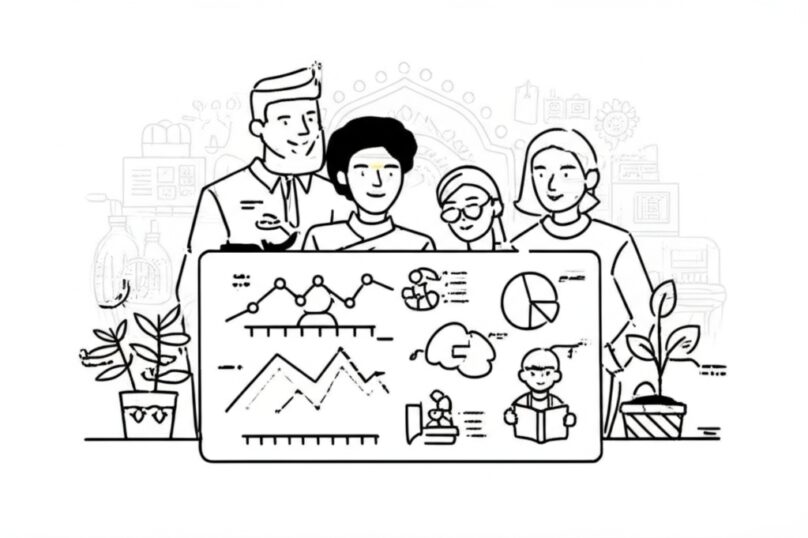
Hello everyone! Today, let’s talk about something super important for those making a big difference in our society: how money is managed in organizations that help people, also known as non-profit organizations. Think of schools for poor children, hospitals that offer free care, or groups helping farmers in villages. For these good work organizations, managing money well is key to keeping their good work going.
The way these organizations manage their money is changing super fast. It’s not just about counting cash anymore! We’re talking about smart ways to use technology, understand numbers better, and be super clear with everyone about how money is used. This is the future of financial management for them.
What’s Changing and Why It Matters?
In the old days, financial management for non-profits often meant keeping ledgers (big books of accounts) and sending out thank you notes for donations. While those things are still important, today’s world needs much more. Here are some big changes happening:
1. Digital Smartness: Using Technology for Money
Imagine managing money without tons of paper. That’s what digital smartness is all about! Non-profits are now using special computer programs and online tools to keep track of every rupee. This helps them be faster and make fewer mistakes.
- Client Example: We worked with a small trust in Coimbatore called ‘Namma Kalvi Trust’, which helps rural students. They used to get donations in cash or via bank transfers. Tracking these was a headache! We helped them set up a simple online payment system and cloud accounting software. Now, every donation is recorded instantly, and they can see exactly where the money comes from and how it’s spent. This made their work much easier and more trustworthy.
2. Numbers Speak: Making Decisions with Data
Numbers are not just for exams; they tell a story! Future financial management means looking at data to understand where money is best spent to help more people. It’s about knowing which projects give the biggest positive change.
- Client Example: ‘Jeeva Jyothi Foundation’ in Chennai, a group supporting orphaned children, wanted to know how to get more regular donations. We helped them look at their past donation data. We found out that people who donated small amounts regularly were their most loyal supporters. By focusing on engaging these people more, Jeeva Jyothi was able to plan their programs better because they had a more predictable income.
3. Super Clear: Transparency and Being Accountable
People who donate money want to know that their money is used wisely and correctly. This is called transparency and accountability. In the future, non-profits will be even more open about their money matters.
- Client Example: A large charitable trust in Madurai, ‘Anbu Illam’, which runs several elder care homes, faced questions about their spending. We guided them to publish detailed financial reports online, showing every rupee spent – from food supplies to medical care. They even had a section explaining their administrative costs clearly. This built huge trust among their donors and even attracted new ones who appreciated their openness.
4. Different Ways to Get Money: Beyond Just Donations
Relying only on donations can be risky. Future non-profits are thinking of different ways to earn money to support their good work. This could be by selling products or services that align with their mission.
- Client Example: Near Trichy, ‘Gramin Vikash Kendra’, an NGO focused on rural development, wanted to reduce its dependence on grants. We helped them start a small, sustainable handicraft business where local women made beautiful traditional items. The money earned from selling these items helped fund their basic literacy programs for children. It was a win-win: empowering women and funding education!
5. Showing the Good Change: Measuring Impact
Financial management isn’t just about balancing books; it’s about showing the good change that money brings. Future non-profits will link every rupee spent to the actual positive impact it has on people’s lives.
- Client Example: In Salem, ‘Siragugal Foundation’, which works with differently-abled individuals, wanted to show donors the direct impact of their contributions. We helped them track not just how much was spent on therapy sessions, but also how many individuals showed improvement in their skills, how many found employment, and how many families felt supported. This powerful story, backed by numbers, made their fundraising efforts much stronger.
How Can Non-Profits Get Ready for This Future?
If you’re involved with a non-profit, here’s how you can prepare for this exciting future:
- Embrace Technology: Don’t be afraid of new software. Start with simple tools and slowly upgrade.
- Learn and Grow: Invest in training for your team members on new financial tools and data analysis.
- Be Super Clear: Always strive for transparency in all your financial dealings.
- Think Differently: Explore new ways to generate income that fit your mission.
- Show Your Impact: Collect stories and numbers that show the real difference your work makes.
Wrapping Up
The future of financial management for non-profit organizations in places like Tamil Nadu is bright and full of opportunities. By being smart with technology, understanding data, being super transparent, finding new money sources, and showing real impact, these organizations can do even more amazing work. It’s all about building trust and making sure every rupee truly helps build a better tomorrow for our communities.
Stay tuned for more insights!
