
Change Management Best Practices for Digital Transformation in Retail
 By Zubairiya
December 18, 2025
By Zubairiya
December 18, 2025
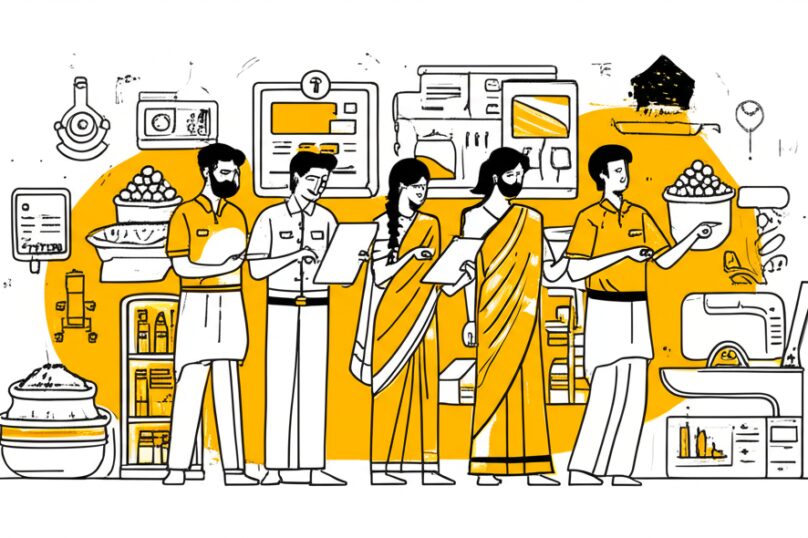
Hello everyone! Today, we’re going to talk about something super important for businesses, especially shops and stores. It’s called Digital Transformation and how to handle the changes it brings. Think of it like this: your favourite snack shop, which used to write everything on paper, now has a fast computer to take orders. That’s digital transformation!
For shops and stores (what we call Retail), going digital means using new technologies. This can be having an online store, better billing machines, smart ways to manage products, or even apps for customers. It makes things faster and better. But when you bring in new ways, people who work there might find it a bit hard to change their old habits. This is where Change Management comes in. It’s about helping everyone in the team learn and use the new things smoothly, so your business keeps growing strong.
Why is Change Hard in Retail?
In India, especially in Tamil Nadu, our shops have been doing things a certain way for many years. So, when new technology arrives, it can feel a bit strange. Here are some reasons why change can be tricky:
- Old Habits Die Hard: People are used to doing things the old way.
- Fear of the New: Some might worry they can’t learn the new tech.
- Not Knowing Why: If they don’t understand why the change is happening, they might not support it.
- Less Training: Sometimes, people don’t get enough help to learn the new systems.
Best Practices for Smooth Digital Transformation
Now, let’s look at some smart ways to make sure everyone welcomes the new digital tools, with examples right from Tamil Nadu!
1. Clear Vision & Simple Talk
Before you start, tell everyone simply what the new digital way is, and why it’s good for them and the business. Make sure they understand the ‘why.’
- Example: Imagine Priya Fashions in Chennai, a popular saree shop, decided to use a new computer system for billing instead of paper. The owner, Mrs. Geetha, gathered her team. She told them, “This new system will make billing super fast, especially during festive seasons like Pongal and Diwali. Customers won’t have to wait long, and we’ll make fewer mistakes. This means happier customers and easier work for all of us!” She explained the benefits in simple Tamil, making everyone understand the positive change.
2. Leaders Must Lead the Way
The bosses and managers must show that they believe in the new digital way. When staff see their leaders using and supporting the new tools, they feel more confident to try it themselves.
- Example: At Velu’s Supermarket in Coimbatore, they introduced a new app for staff to track daily stock. Mr. Murugan, the store manager, was the first one to learn it. He used the app every day, showed his team how easy it was, and answered their questions. Because he led by example, his staff quickly followed, and the stock-taking became much faster.
3. Get Everyone Involved & Train Them Well
Don’t just tell people to use new tech; involve them from the start. Ask for their ideas, listen to their worries, and give them clear, hands-on training.
- Example: When Kovai Jewelers in Erode decided to launch an online store, they involved their sales team. They asked for ideas on what pictures to put and how to describe the jewellery. Then, they held simple training sessions, showing them step-by-step how to upload new items and handle online orders. They even created small practice tasks, making learning fun.
4. Try Small First, Then Grow
Instead of changing everything at once, try the new digital system in a small part of your business first. See what works and what doesn’t, then fix it, and slowly introduce it everywhere.
- Example: A big electronics chain, Chennai Electronics Hub, decided to bring in new digital displays for product information. Instead of changing all their 30 stores, they first tried it in just two stores: one in Anna Nagar and one in Tambaram. They watched how customers reacted and how staff used it. They learned from this small test, made improvements, and then rolled it out to all other stores gradually.
5. Listen to Feedback & Keep Improving
After bringing in new digital tools, always ask for feedback from your staff and customers. What’s working? What’s difficult? Use this information to make the system better.
- Example: After Anbu Groceries in Madurai launched a new app for home delivery, they regularly asked their delivery staff and customers for their thoughts. One delivery person said, “It’s hard to mark an order delivered when my phone signal is weak.” Anbu Groceries quickly updated the app so it could work better even with low signal, making the job easier for their staff.
6. Celebrate Your Wins!
When you successfully complete a digital step, big or small, celebrate it! This makes everyone feel good and excited for the next challenge.
- Example: When Sakthi Books in Trichy successfully launched their new e-commerce website and saw a 15% increase in online book sales in just three months, the owner, Mr. Karthik, bought everyone in the team a special dinner. He thanked them for their hard work and showed them how their efforts directly led to more sales. This made everyone happy and ready for the next digital project.
Conclusion
Digital transformation is not just about new computers or apps; it’s about helping people embrace new ways of working. For our amazing retailers in Tamil Nadu, by following these simple steps, you can make sure your journey into the digital world is smooth, successful, and brings great growth to your business. Let’s make our shops smarter, faster, and better for everyone!
