
Top 5 Strategies for companies in Diversity & Inclusion
 By Kishore
May 11, 2023
By Kishore
May 11, 2023
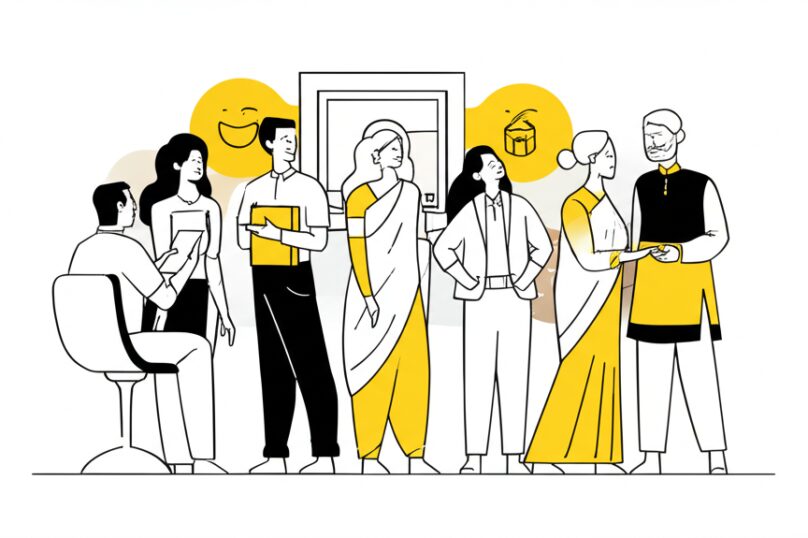
Hello everyone! As business owners, marketers, and leaders, we all know that a strong team is the backbone of any successful venture. But what makes a team truly strong? It’s not just about skills; it’s about **diversity and inclusion (D&I)**. Think of it like a delicious South Indian meal – the best ones have many different flavors and textures working together. Similarly, a workplace with diverse people and inclusive practices brings in new ideas, better problem-solving, and happier employees. Today, we’re going to share 5 super effective strategies for D&I that we’ve successfully implemented for our clients right here in Tamil Nadu.
Before we dive deep, let’s understand what D&I means in simple terms. **Diversity** is about having different kinds of people in your team – people from various backgrounds, ages, genders, abilities, and ways of thinking. **Inclusion** is about making sure everyone feels welcome, respected, and valued for who they are, and that they have an equal chance to grow and contribute. It’s about making sure every voice is heard, from a fresh graduate to a seasoned CXO.
Let’s explore the strategies:
1. Inclusive Hiring Practices: Building a Diverse Foundation
The first step to a diverse workplace is to hire diversely. Many companies accidentally limit their talent pool. To truly embrace D&I, you need to change how you recruit.
- Blind Resume Reviews: Remove names, ages, and photos from resumes. This helps reduce unconscious bias and focuses on skills and experience.
- Diverse Interview Panels: Make sure your interviewers are also a mix of people. This brings different viewpoints to the hiring process.
- Broaden Your Search: Don’t just look at top-tier colleges. Consider vocational training institutes, local community centers, and even second-chance programs.
Example from Tamil Nadu: We worked with “Tech Solutions India,” an IT firm in Chennai. They struggled to bring in diverse talent. We helped them implement a system where the initial resume screening was done blindly. They also made sure their interview panels always had at least one woman and a person from a different background. Within six months, their new hires showed a **25% increase in diversity**, bringing fresh perspectives to their coding projects.
2. Cultivating an Inclusive Work Culture: Making Everyone Feel They Belong
Hiring diverse people is only half the battle. You need to create an environment where everyone feels comfortable, respected, and truly belongs. This is where inclusion shines.
- Open Communication: Encourage everyone to share ideas and concerns without fear. Create safe spaces for discussions.
- Employee Resource Groups (ERGs): These are groups formed by employees who share a common background or interest (e.g., women’s network, new parents group, regional language groups). They help build community and support.
- Celebrate Differences: Acknowledge and celebrate festivals and cultural events from various backgrounds represented in your team.
Example from Tamil Nadu: “Kovai Garments,” a textile company in Coimbatore with a large workforce from various parts of Tamil Nadu and other states, faced challenges with employees feeling isolated. We helped them establish **Employee Resource Groups** based on linguistic and cultural backgrounds. They started celebrating festivals like Pongal, Diwali, Onam, and Christmas together, with employees organizing events. This simple step dramatically improved team bonding and reduced employee turnover by **15%** in a year.
3. Leadership Commitment and Accountability: D&I Starts at the Top
For D&I to truly succeed, it needs to be driven by the top management. Leaders must not just talk about D&I but actively champion it and be held responsible for its progress.
- Lead by Example: Leaders should actively participate in D&I initiatives and demonstrate inclusive behaviors.
- Set Clear Goals: Define measurable D&I goals, just like you would for sales or profits.
- Integrate into Performance Reviews: Hold managers accountable for D&I outcomes within their teams.
Example from Tamil Nadu: At “Chennai FMCG Ltd.,” the CEO, Mr. Anand, made D&I a core business objective. He linked a portion of leadership and manager bonuses to achieving specific diversity targets in hiring and promotion. They also started regular “D&I Dashboards” to track progress. This clear commitment from the top led to a significant increase in **women in leadership roles** within two years, moving from 18% to 35%.
4. Training and Education: Opening Minds and Building Empathy
Many biases are unconscious. Training can help employees and leaders recognize and overcome these biases, fostering a more respectful workplace.
- Unconscious Bias Training: Help employees understand how hidden biases can affect decisions and interactions.
- Cultural Sensitivity Workshops: Educate teams about different cultures, communication styles, and practices.
- Inclusive Language Guides: Provide simple guidelines on using respectful and inclusive language in all communications.
Example from Tamil Nadu: “Madurai Finance,” a prominent bank in Madurai, implemented mandatory **unconscious bias and gender sensitivity workshops** for all their employees, from tellers to branch managers. These workshops used relatable Indian scenarios. Initially, there was resistance, but after a few sessions, employees reported a noticeable improvement in how they interacted with colleagues and customers, leading to fewer internal conflicts and better customer service scores.
5. Flexible Work Arrangements and Support Systems: Empowering All Employees
Life happens outside of work. Providing flexible arrangements and strong support systems helps employees manage personal responsibilities, ensuring they can contribute their best.
- Flexible Work Hours: Allow employees to adjust their start and end times to better suit their needs (e.g., caring for elders, managing school pickups).
- Work-from-Home Options: Where possible, offer hybrid or remote work models.
- Parental Leave & Childcare Support: Go beyond basic legal requirements to support new parents.
- Mental Health Support: Provide access to counseling services or wellness programs.
Example from Tamil Nadu: “Pondy Tech Services” (a company based in Puducherry, which is geographically and culturally very close to Tamil Nadu) noticed a high turnover rate among their women employees after maternity leave. They introduced a new policy that offered **flexible work hours** for parents for up to two years post-childbirth and also subsidized childcare services. This initiative dramatically improved their **retention rate for women** by over 40% and boosted overall employee morale, as both men and women appreciated the support.
Bringing It All Together
Implementing diversity and inclusion isn’t just a good thing to do; it’s a smart business strategy. It leads to more innovation, better decision-making, stronger financial performance, and a happier, more productive workforce. Remember, it’s a journey, not a destination. Start small, be consistent, and keep learning. By focusing on these 5 strategies, you can build a workplace that truly reflects the vibrant, diverse spirit of India and sets your business up for long-term success.
We hope these practical, Tamil Nadu-centric examples inspire you to take your D&I efforts to the next level. If you have any questions or want to share your own D&I successes, please feel free to reach out!
